Source raindrop design plastic table skirt for Banquet Hotel Party
Compare 30 listings of raindrop design plastic table skirt from verified Chinese suppliers. Buyers can evaluate options based on material, size customization, and minimum order quantities for wedding, banquet, and hotel events.
Key considerations
Products List
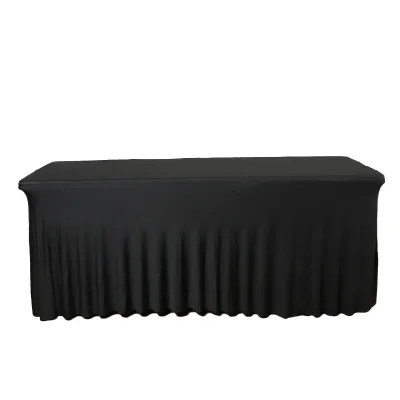


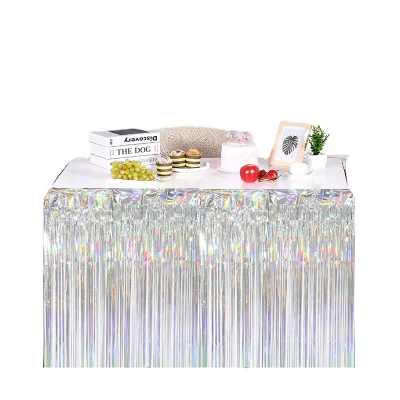

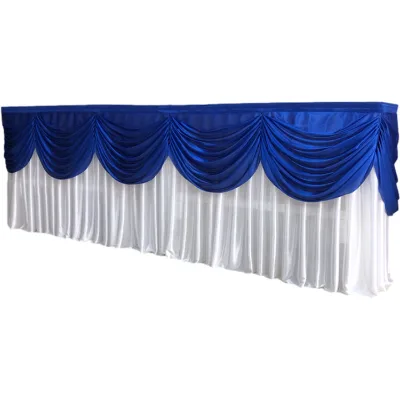
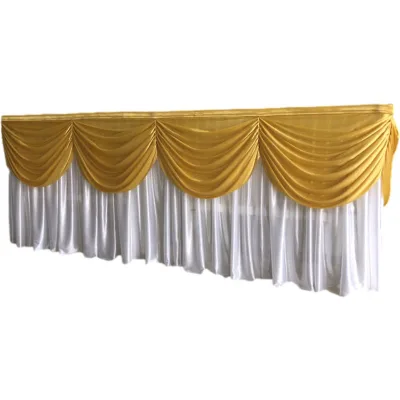
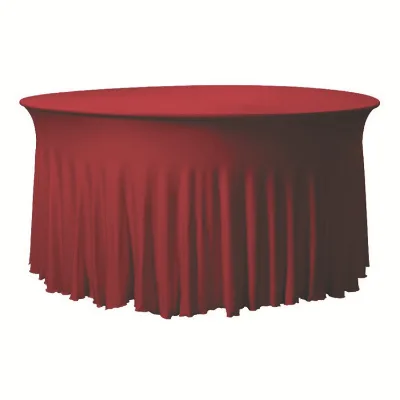


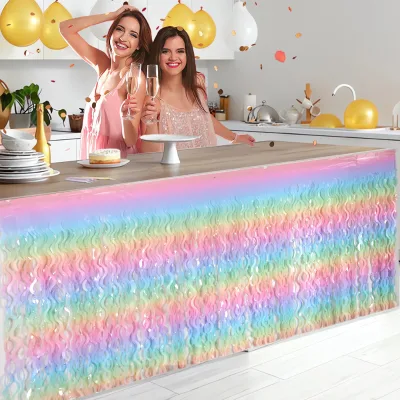
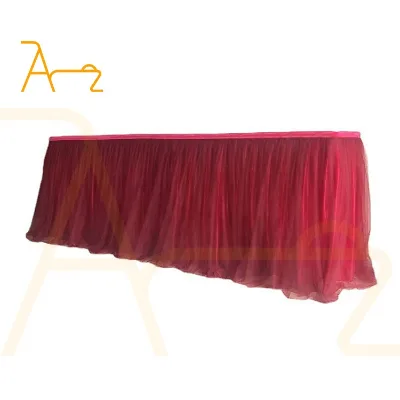

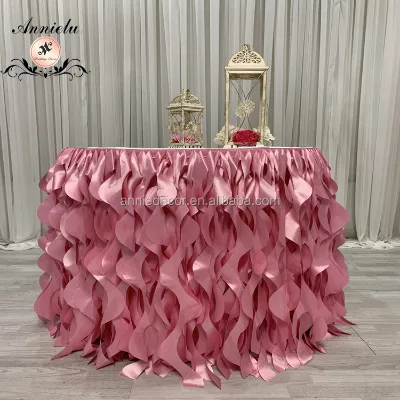
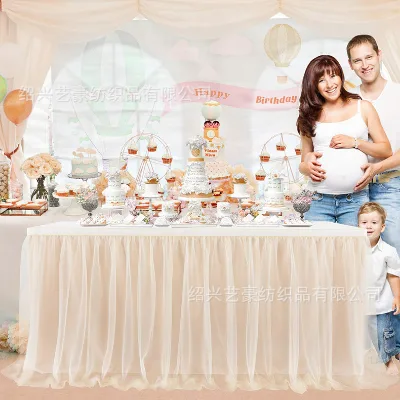
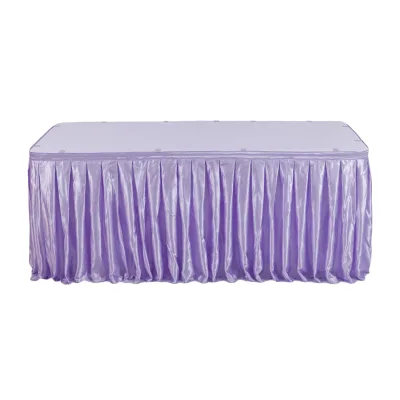


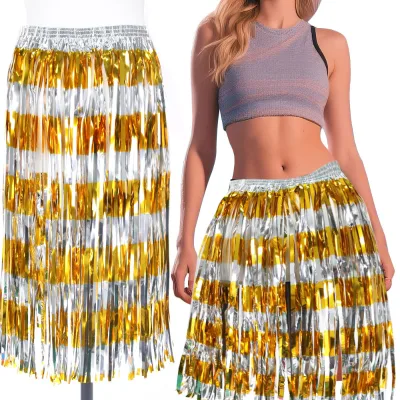


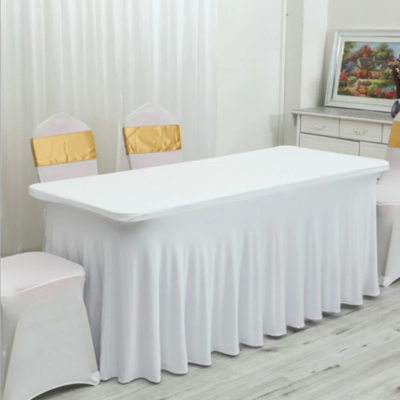
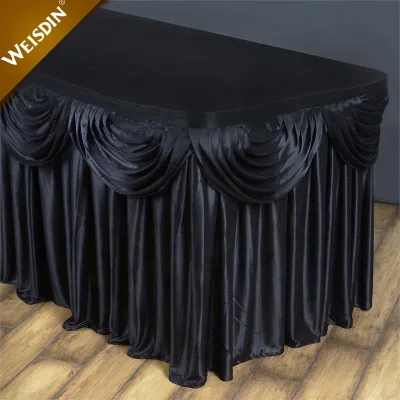
Comprehensive Sourcing Guide
Strategic Sourcing Guide for Raindrop Design Plastic Table Skirts
The global event and hospitality sectors increasingly demand durable, cost-effective, and visually striking table decorations. Among the most versatile options available, the raindrop design plastic table skirt has emerged as a preferred choice for weddings, banquets, and corporate functions. Sourcing this specific item requires a nuanced understanding of material properties, manufacturing capabilities, and compliance standards. This guide provides a comprehensive framework for buyers to navigate the procurement landscape, ensuring that the selected products meet rigorous quality and aesthetic requirements without relying on unverified claims.
Understanding Material Composition and Physical Properties
The foundation of a high-quality plastic table skirt lies in its material composition. While many suppliers offer generic plastic options, the specific application of a "raindrop design" often necessitates materials that balance flexibility with structural integrity. Based on available market data, the primary materials observed in this category include 100% Polyester and PVC (Polyvinyl Chloride). Polyester variants are frequently noted for their specific weight ranges, such as 180gsm, which provides a substantial drape suitable for formal events. Conversely, PVC-based options are often highlighted for their robustness, offering features like high-temperature resistance and superior waterproofing capabilities.
When evaluating the physical specifications of these skirts, buyers must look beyond the visual "raindrop" pattern to the underlying tensile strength and dimensional stability. For PVC-based products, tensile strength is a critical metric, with observed ranges falling between 81 and 130 MPa. This ensures the material can withstand the tension of being wrapped around tables without tearing. Additionally, the contraction percentage, typically observed between 1.0% and 2.5%, indicates how the material behaves under thermal stress or humidity changes. A low water absorption rate, often cited as less than 0.01%, is essential for outdoor events or humid environments where moisture resistance is paramount. The thickness of the material, often specified in millimeters ranging from 0.5 to 5.0mm, directly correlates with the opacity and durability of the raindrop pattern.
Technical Specifications and Customization Parameters
Customization is a defining characteristic of the modern B2B table skirt market. Buyers should expect that most suppliers offer "Custom Size" options to accommodate various table dimensions, from standard banquet rounds to long head tables. The production process often involves specific techniques, such as handmade assembly or specialized printing methods. For instance, some suppliers utilize a "1 Color" print method to achieve the raindrop effect, ensuring that the design remains crisp and consistent across large orders.
The customization capabilities extend to branding and packaging. Many manufacturers support OEM (Original Equipment Manufacturer) and ODM (Original Design Manufacturer) services, allowing buyers to incorporate their own logos onto the product. The standard packaging for these items often involves individual OPP (Oriented Polypropylene) bags, with a single package size typically around 20x20x50 cm. However, for bulk orders, products may be packed in rolls to optimize shipping volume. The minimum order quantity (MOQ) varies significantly depending on the customization level; while standard items might have an MOQ as low as 50 pieces, custom-branded or specific size orders may require a minimum of 300 pieces. Buyers must align their order volume with these thresholds to ensure cost-efficiency.
Compliance, Certification, and Safety Standards
In the B2B procurement of event supplies, compliance with international safety and environmental standards is non-negotiable. For plastic-based table skirts, particularly those made from PVC, the presence of specific certifications is a key indicator of supplier reliability. The RoHS (Restriction of Hazardous Substances) directive is a prominent standard observed in this sector, ensuring that the materials do not contain restricted levels of lead, mercury, cadmium, and other hazardous substances. This is particularly relevant for products used in food-adjacent environments or by families with children.
Buyers should verify that the supplier can provide valid documentation for RoHS compliance before finalizing any purchase. While some products may also meet other unspecified standards, the RoHS certification serves as a baseline for chemical safety. Additionally, the "High Temperature-Resistant" feature observed in certain PVC products suggests that the material has been tested to withstand heat, which is crucial for events involving candles or warm lighting. However, buyers should request specific test data or certification reports to confirm the exact temperature limits, rather than relying solely on marketing descriptions. Ensuring that the product meets these standards protects the buyer from liability and ensures the safety of the end-users.
Cost Drivers and Pricing Dynamics
The pricing of raindrop design plastic table skirts is influenced by a complex interplay of factors, including material type, customization level, and order volume. The observed price range in the market is extensive, spanning from $0.40 to $1,300.00 USD. This wide disparity is not indicative of quality alone but reflects the difference between single-unit purchases and bulk industrial orders, as well as the distinction between basic polyester options and premium, custom-engineered PVC solutions.
Several specific cost drivers must be considered. First, the material weight, measured in grams per square meter (GSM), directly impacts the raw material cost. Products ranging from 20 to 260 GSM will have varying price points, with heavier, more durable options commanding higher prices. Second, the complexity of the "raindrop" pattern and the customization of colors or logos add to the production cost. Suppliers offering "Customized Color" and "Accept Customized Logo" services often have higher per-unit costs due to the setup and tooling required. Finally, the packaging method plays a role; items packed in rolls may reduce shipping costs compared to individually bagged units, but the initial manufacturing cost might differ. Buyers should request detailed quotes that break down these variables to understand the true cost structure.
Typical Applications and Usage Scenarios
The versatility of raindrop design plastic table skirts makes them suitable for a wide array of applications. The primary usage scenarios include weddings, parties, banquets, and hotel events. The "Solid" pattern type and "Plain Dyed" techniques often associated with these products allow them to blend seamlessly with various color schemes, making them a staple for event decorators. The "Disposable" nature of many plastic options makes them ideal for high-turnover events where setup and teardown time are critical.
Beyond traditional events, these products are increasingly used in commercial settings such as hotels and outdoor venues. The "Waterproof" and "Oilproof" features are particularly valuable for outdoor parties or catering environments where spills are common. The "Twill" style and "Decorative" type classifications suggest that these skirts are designed not just for function but for aesthetic enhancement. Whether used for a "Home" setting or a large-scale "Wedding Party Banquet Decoration," the material's ability to maintain its shape and appearance is crucial. Buyers should consider the specific environment where the product will be used to determine the necessary level of durability and weather resistance.
Supplier Evaluation and Quality Control Protocols
Selecting the right supplier is as important as selecting the product itself. Buyers should evaluate potential partners based on their place of origin, production capacity, and logistical capabilities. Common origins for these products include Zhejiang and Fujian in China, regions known for their manufacturing expertise in textiles and plastics. When evaluating a supplier, it is essential to verify their "Is Customized" status and their ability to handle "OEM/ODM" requests. A supplier's ability to provide a "Single package size" that aligns with your logistics needs is also a critical factor.
Quality control should be a continuous process, not a one-time check. Buyers must verify the "Fabric" weight and "Model Number" consistency across batches. For example, ensuring that the "Gram Weight" remains within the specified 20-260 GSM range is vital for maintaining product uniformity. Additionally, checking the "Tensile Strength" and "Contraction Percentage" through random sampling can prevent issues with material failure during installation. Suppliers that offer "Fast Delivery" and support multiple shipping methods, including Air, Sea, DHL, UPS, FedEx, EMS, and TNT, provide greater flexibility in managing supply chain disruptions. Buyers should prioritize suppliers who demonstrate transparency in their production processes and are willing to share technical data regarding their materials.
Long-Term Procurement and Strategic Sourcing Considerations
For buyers looking to establish a long-term relationship with suppliers, strategic sourcing goes beyond immediate cost savings. It involves building a supply chain that is resilient, scalable, and aligned with sustainability goals. The "Customization" availability and "Logo" acceptance capabilities of suppliers are key indicators of their ability to grow with the buyer's brand. As the market evolves, buyers should anticipate changes in material standards and environmental regulations, making it essential to partner with suppliers who are proactive in compliance.
The "Advantage" of having a supplier with "Most Popular" items and "Fast Delivery" capabilities cannot be overstated in a competitive market. These factors contribute to the overall efficiency of the procurement process. Furthermore, understanding the "Selling Units" and "Packing" methods allows buyers to optimize their inventory management and reduce waste. By focusing on suppliers who offer a range of "Event & Party Item Types" and can adapt to different "Light Source" requirements (such as flashlights for evening events), buyers can ensure a comprehensive product offering. Ultimately, the goal is to secure a reliable supply of high-quality raindrop design plastic table skirts that meet the evolving needs of the event industry while maintaining strict quality and compliance standards.
FAQs
What materials are used for raindrop design plastic table skirts?
These skirts are primarily made from 100% Polyester or PVC. Polyester options often feature a fabric weight of 180gsm, while PVC variants offer high temperature resistance and superior waterproofing for diverse event needs.
Can I customize the size and logo on these table skirts?
Yes, customization is available for both size and branding. Buyers can request custom sizes and accept customized logos, though minimum order quantities may vary between 50 and 300 pieces depending on the specific customization level.
Which certifications ensure safety for plastic table skirt materials?
RoHS certification is a key standard observed for these plastic products. This ensures the materials do not contain restricted hazardous substances, making them safe for use in food-adjacent environments and family events.
How does the tensile strength affect the durability of PVC skirts?
Tensile strength ranges from 81 to 130 MPa for PVC-based options. This metric ensures the material can withstand the tension of being wrapped around tables without tearing during installation or use.
What is the typical price range for ordering these table skirts?
The observed price range spans from 0.40 to 1300 USD per unit. This wide disparity reflects differences between single-unit purchases, bulk orders, and the specific material or customization levels selected by the buyer.
Where are these products typically manufactured and shipped from?
Products originate from manufacturing hubs in Zhejiang and Fujian, China. Suppliers support various shipping methods including air, sea, and courier services like DHL, UPS, and FedEx to meet global delivery needs.